How to Balance a Centrifugal Fan Step by Step

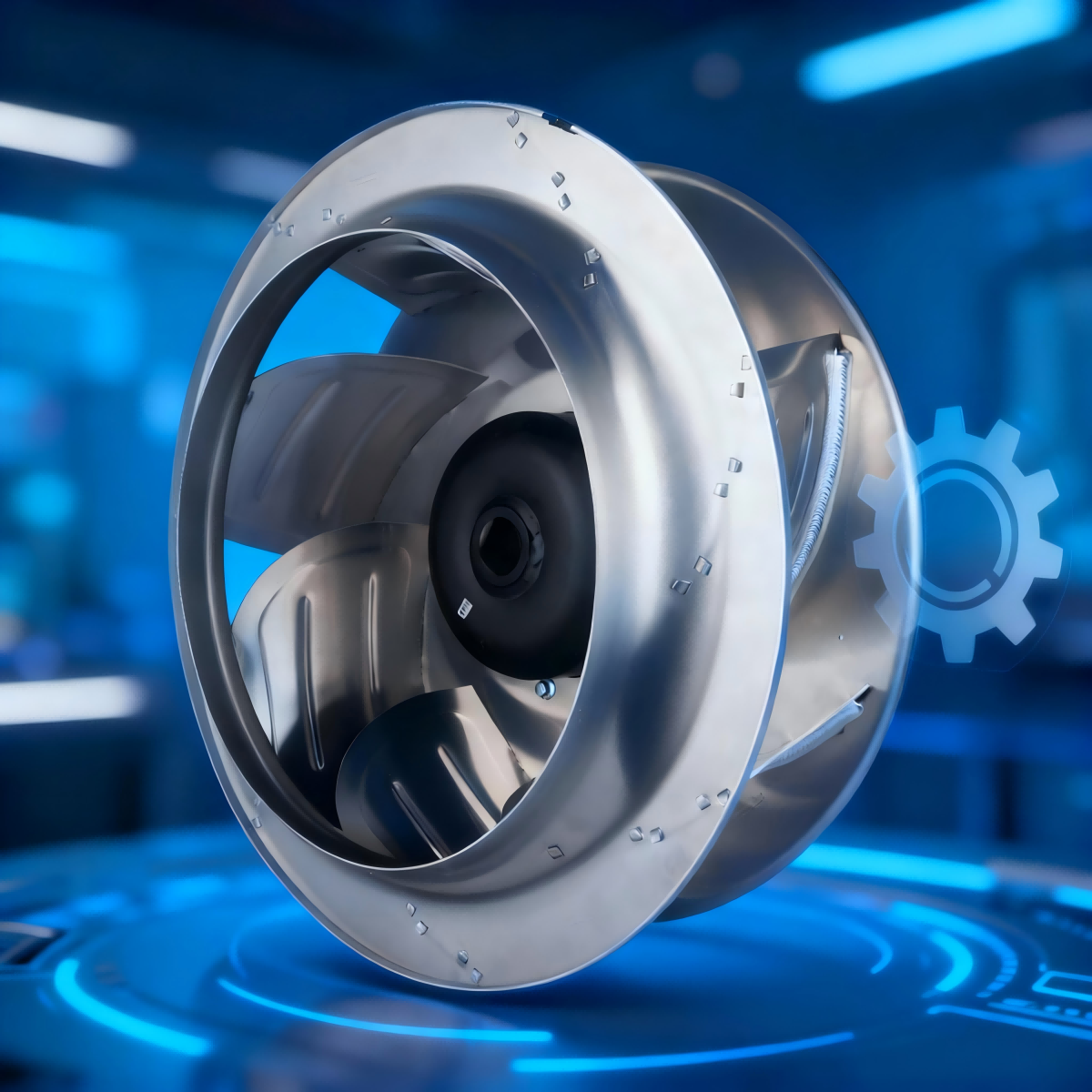
You can learn how to balance a centrifugal fan by following easy steps. This process helps the fan operate more efficiently and extend its lifespan. First, prepare and inspect the fan. Next, perform static and dynamic balancing. After that, reassemble the fan with care. Regular maintenance is essential. Use the appropriate tools and prioritize safety to protect yourself and your equipment. Balancing centrifugal fans reduces vibration and noise, saves energy, and prevents unexpected breakdowns. LONGWELL’s high-efficiency ventilation fans are designed for easy maintenance, and you can apply these steps to many centrifugal models.
Key Takeaways
Balancing a centrifugal fan helps it work better and last longer. Follow each step closely to make sure the fan works its best.
Always put safety first. Turn off the power and wear PPE before you start any work.
Clean the fan often to stop dust from building up. Dust can make the fan unbalanced and work less well. Cleaning helps the fan stay efficient.
Static and dynamic balancing help lower vibration and noise. Use the correct tools to get good results and help the fan last longer.
Check and maintain the fan often to find problems early. This helps you save money on repairs and keeps the fan working well.
Tools and Safety
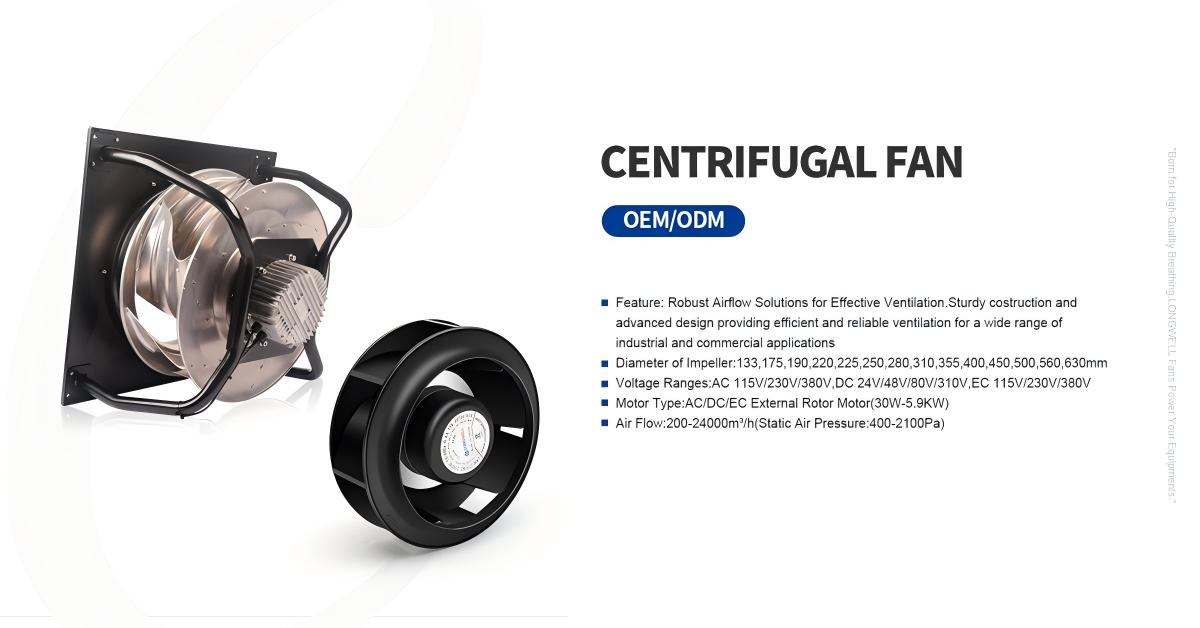
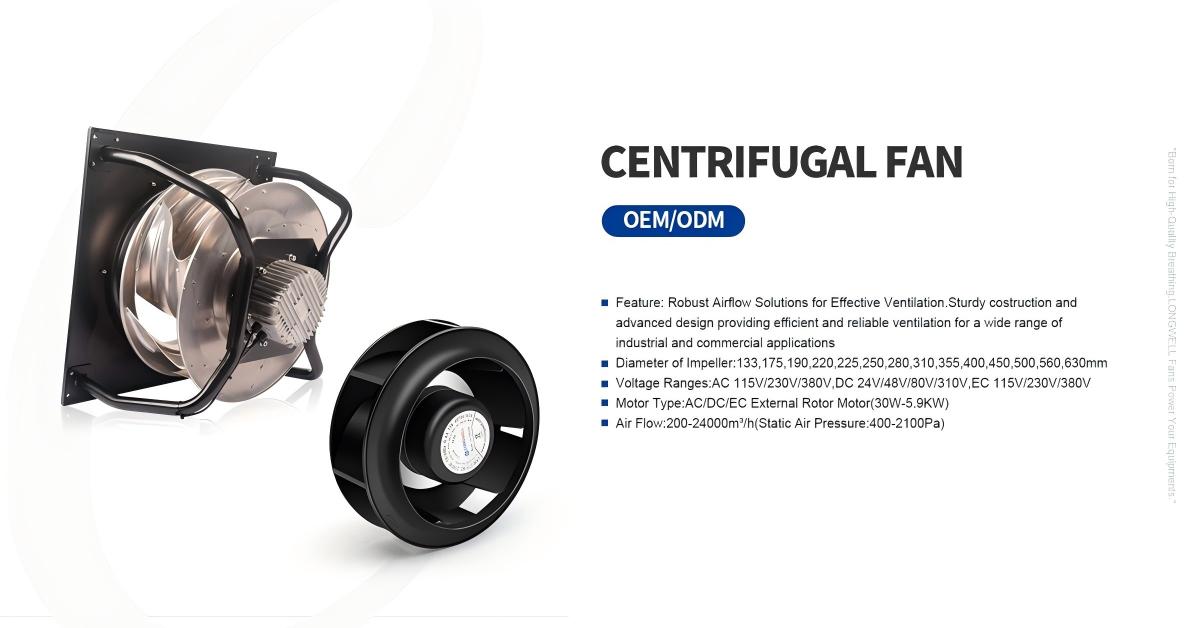
Tools Needed
Get all the tools you need before you start. The right tools help you work faster and safer. Here is a table that lists some important tools and what they do:
Tool | Purpose |
|---|---|
Accelerometer | Measures vibration levels |
Balancing weights | Adjusts the balance of the fan |
Dremel or grinder | Removes small amounts of material |
Personal protective equipment (PPE) | Keeps you safe from dust and moving parts |
Wrenches and screwdrivers | Helps you open and close fan parts |
Cleaning supplies | Removes dirt and debris |
You might also use a strobe light or laser tachometer to check fan speed. Always pick tools that fit your fan’s size and type. LONGWELL ventilation fans are made for easy care, so you can reach parts easily.
If you want the fan to meet quality rules, follow industry standards. Here is a table that shows different balance quality grades:
Balance Quality Grade | Maximum Imbalance Specification |
|---|---|
G6.3 | Least strict |
G2.5 | Stricter than G6.3 |
G1.0 | Most strict |
Safety Steps
Safety is very important when you work with centrifugal fans. Always turn off the power and let the fan cool before you start. Use Lockout/Tagout (LOTO) steps so the fan does not turn on by mistake. Wear gloves, goggles, and other PPE to keep safe from dust and sharp edges.
Tip: Make sure all access doors are closed before you turn the fan back on.
Here are some key safety steps:
Put guards in place to stop you from touching moving parts.
Check for risks before you start working.
Inspect and maintain the fan often.
Learn safe work habits and how to use PPE the right way.
LONGWELL fans are made to help keep you safe. You can ask LONGWELL’s support team if you have questions about safe care.
Preparation
Power Isolation
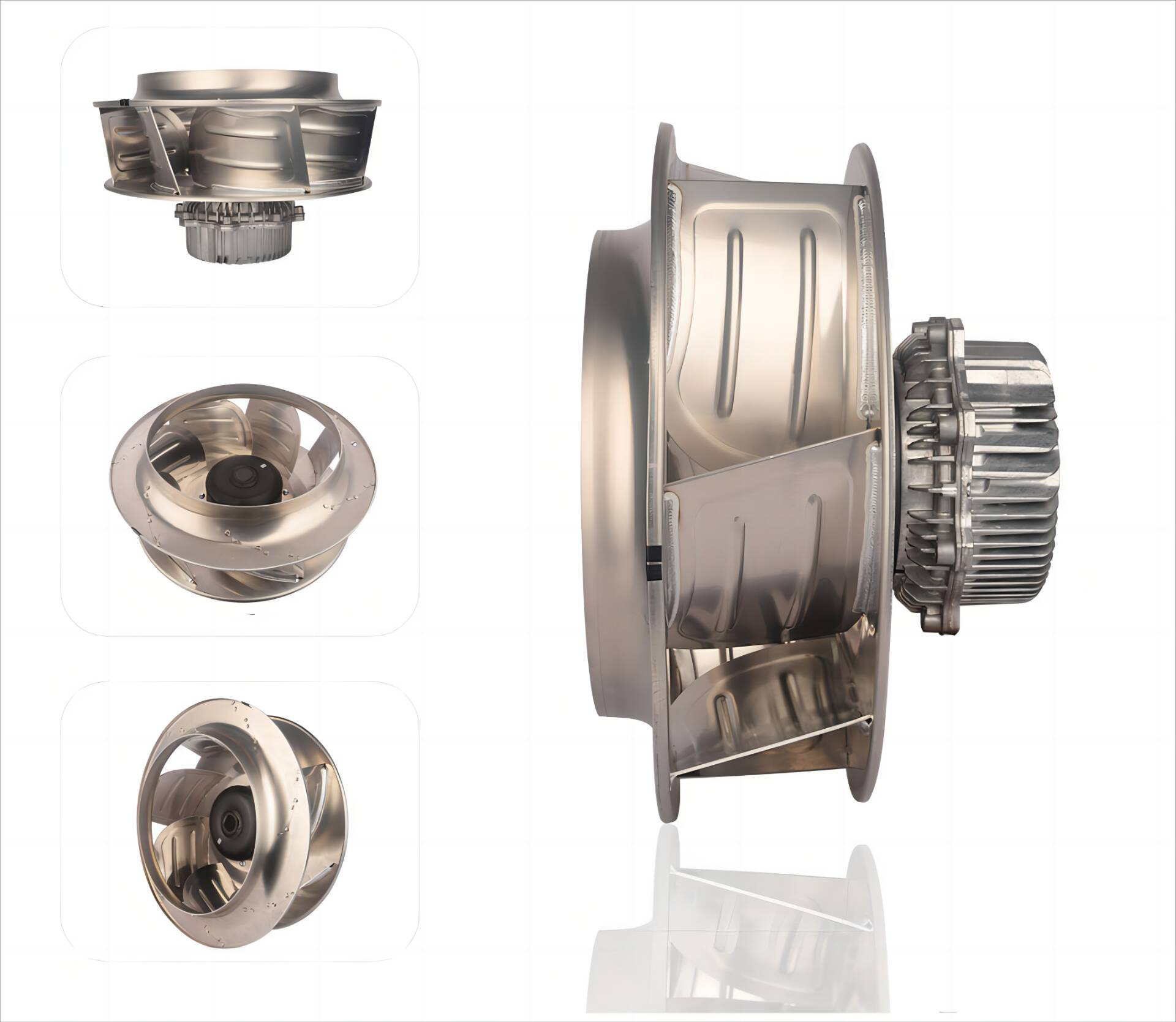
Before you start working on your centrifugal fan, you must make sure it is safe. Always disconnect the power supply first. This step protects you from electric shock and keeps the fan from turning on while you work. Use a Lockout/Tagout (LOTO) system if you have one. Place a tag on the switch to warn others not to turn the power back on. Wait for the fan to stop spinning completely. Touch the motor housing to check if it is cool. Never rush this step. Safety comes first.
If you use LONGWELL ventilation fans, you can find detailed safety steps in the product manual. The manual gives you clear instructions for isolating power and preparing the fan for maintenance. You can also contact LONGWELL’s support team if you have questions about your specific model.
Access and Cleaning
Once you know the fan is safe, you can open the access panels. Use the right tools to remove covers or guards. Make sure you keep all screws and parts in a safe place. Now you can see the fan blades and the wind wheel.
Cleaning the fan is very important. Dust and debris can cause imbalance and reduce performance. Use the best cleaning methods to get the fan ready for balancing. Here is a table that shows some recommended cleaning methods:
Cleaning Method | Description |
|---|---|
Low-pressure washing | Use a low-pressure fine water column to clean the wind wheel. Point the water down to avoid water inside. |
No disassembly | Do not take the fan apart for cleaning. The fan’s seal keeps it safe. |
Drying | Wipe the wind wheel with a dry cloth after cleaning. This step prevents moisture. |
Regular cleaning | Clean the fan often. This stops dust and debris from building up and keeps balancing accurate. |
Tip: Clean fans work better and last longer. Regular cleaning helps you spot problems early.
After cleaning, check the fan for any damage or loose parts. If you use a LONGWELL fan, follow the cleaning steps in the manual for best results. You can always reach out to LONGWELL’s support team for extra help or advice.
How to Balance a Centrifugal Fan
Static Balancing
Start by doing static balancing. This helps you find heavy spots on the fan rotor. The fan should not be running during this step. You need simple tools and must watch closely.
Here are the steps for static balancing:
Use chalk to mark the bottom of the rotor. The heavy spot will always move to the lowest point, which is at 6:00.
Turn the rotor 90 degrees. See if the heavy spot goes back to the bottom. This shows where the imbalance is strongest.
Move the heavy spot to the 3:00 position.
Put weight on the other side, like at 9:00. Add more weight until the rotor does not move anymore.
Change the test weight to a permanent one. Attach it to the rotor. Make sure the mass and distance are the same as before.
Turn on the fan and check vibration. Use tools to see if the balance is better.
Tip: Write down what you do and what happens. Good notes help you remember changes and keep quality high.
Static balancing lowers vibration and noise. Follow each step and use good tools to avoid mistakes. If you skip balancing, the fan can wear out faster, get louder, and not last as long.
Dynamic Balancing
Dynamic balancing is the next step. This step is done while the fan is running. You need special tools like accelerometers and tachometers. Dynamic balancing helps the fan run smoother, especially for big or fast fans.
Here is a simple way to do dynamic balancing:
Measure the imbalance. Use two reader ports to check vibration on both sides of the fan wheel.
Use a tachometer to find the phase. This shows where the imbalance is strongest.
Do three test runs. First, run the fan with no weights. Next, add weight to the left side and run the fan. Then, add weight to the right side and run the fan again.
Adjust the balance. Use your test results to add or remove material. Keep changing things until vibration is safe.
Watch the vibration levels. If vibration speed gets to 7.1 mm/s, check the fan. If it goes over 9 mm/s, turn off the fan and fix it. These limits follow ISO rules for industrial centrifugal fans.
Dynamic balancing has many good points:
Fans break less often.
Bearings, seals, and shafts last longer.
Fans use less energy and have less friction.
Note: Two-plane dynamic balance is needed for big or industrial fans. This checks both sides of the rotor for better results.
LONGWELL’s new technology makes balancing easier. Their fans have smart controls and strong motors. These features help the fan run smoother and last longer.
After balancing, check for leftover unbalance. Use industry rules to measure your results. Here is a table that shows what is allowed:
Standard | Tolerance | Quality Grade |
|---|---|---|
API 610, 9th edition | ISO 1940-1 G2.5 | - |
ISO 1940-1 | G1 | 4W/N (oz-in) |
ISO Quality Grades | G16 to G2.5 | -10% margin for balancing, +15% margin for inspection |
ISO Quality Grade | G1 | -20% margin for balancing, +25% margin for inspection |
Keep good records. Write down your steps, tools, and results for each job. This helps you meet quality rules and makes future work easier.
Tip: If you use LONGWELL fans, you can ask their support team for help with balancing and keeping records.
Balancing is an important part of caring for a centrifugal fan. Know the difference between static and dynamic balancing. Always use the right tools and follow each step. This keeps your fans working well and safely.
Troubleshooting Centrifugal Fans

Common Issues
Sometimes, centrifugal fans do not work well. You might notice problems like loud sounds or weak airflow. The fan may get too hot or have electrical issues. It can shake a lot or become unbalanced after repairs. These signs mean you should check the balance.
If the impeller is not balanced, these problems can happen. Cracks in the shaft or impeller can also cause trouble. Sometimes, the rotor mass is not even or the motor shaft is not lined up right. Bad bearings, rust, or worn fan blades can make things worse. If the impeller bends during moving or setting up, the fan may not work right. Uneven ground or putting parts together wrong can also cause imbalance.
Tip: If you hear loud noises or feel strong shaking, turn off the fan and check it soon. Acting fast can stop more damage.
Solutions
You can fix many fan problems with easy steps. First, use vibration tools like accelerometers to check for shaking. These tools help you find where the problem is. Some systems check things like current, voltage, speed, and which way the fan turns. Newer ways use special signals and smart programs to find blade damage very well.
Here is a table with ways to fix common problems:
Problem | Solution |
|---|---|
Bent shaft | Measure how much it bends, find the cause, balance for now |
Structural issues | Tighten bolts, check the base, check vibration frequency |
Rub or misalignment | Check how it is put together, fix gaps, look for imbalance |
Rotating looseness | Check parts, add oil, change old parts |
Bearing problems | Check parts, change bad bearings |
Flow issues | Clean filters, check control systems |
Resonance | Test for vibration, check the base |
Always watch for too much shaking and follow the maker’s rules for fixing fans. Use the right balancing grades from the industry. Try new tools like heat checks and vibration tests to find problems early.
If your fan is big or hard to fix, ask a pro or contact LONGWELL’s support team. Their experts can help you fix hard problems and keep your fan working well.
Maintenance Tips

Regular Checks
Check your centrifugal fan often to keep it working well. Regular checks help you find small problems early. Look for dust or dirt on the blades and housing. Check for any signs of wear on these parts. Look at the motor and all electrical parts. Make sure there are no loose wires or signs of overheating. Listen for strange noises from the fan. Notice if the fan shakes more than normal.
Here is a table that shows how often to do each task:
Maintenance Task | Recommended Frequency |
|---|---|
Regular Inspection | Every month |
Proper Lubrication | Every 2-3 months |
Blade Balancing | As needed |
Clean Fan Blades and Housing | Monthly or quarterly |
Belt and Pulley Inspection | Regularly |
Check Electrical Components | Regularly |
Monitor Operating Conditions | Ongoing |
Seal and Gasket Maintenance | Regular checks |
Fan Performance Testing | Periodically |
Record and Analyze Data | Every maintenance activity |
Tip: Write down your maintenance work in a log. This helps you see patterns and plan future checks.
LONGWELL fans use strong materials. Their design lets you reach parts easily for cleaning or checking. You can ask LONGWELL’s support team if you have questions about your fan.
Preventive Care
Take care of your fan before problems start. This helps your fan last longer. Follow these steps to stop breakdowns:
Check your fan often. Early checks can help your fan last up to 20 years.
Clean the blades and housing to stop dust from building up.
Lubricate bearings every few months to lower friction.
Check alignment to stop extra vibration.
Watch how your fan runs. If you notice changes in speed or noise, act fast.
Here is a table that shows how each step helps your fan last longer:
Maintenance Practice | Impact on Longevity |
|---|---|
Regular Inspections | Finds problems early and extends service life |
Cleaning | Keeps airflow strong and parts clean |
Lubrication | Reduces wear and keeps parts moving smoothly |
Alignment Checks | Lowers vibration and prevents early damage |
Performance Monitoring | Spots issues before they cause big problems |
Note: Many warranties need regular maintenance. If you skip checks or cleaning, you might lose coverage and pay more for repairs.
LONGWELL fans are strong and easy to care for. Their tough build means you spend less time fixing them. Good care and proper balancing help your fan work well for many years.
Balancing a centrifugal fan means you need to get ready, check the fan, do static and dynamic balancing, and keep up with regular care. These steps help your fan work better and last longer.
If you do not balance industrial fans, your machines can get badly damaged. Vibrations make the fan work less well and can break parts over time. These vibrations do not just hurt the fan. They move through the whole machine. This puts extra stress on things like motors, bearings, and belts. These parts wear out faster and can break, which costs a lot to fix. Sometimes, the fan can stop working without warning. This can stop your work and waste money and time. The fan wheel, which holds the blades, can also get too much stress if it is not balanced. This can cause it to break in a very bad way.
Fans will not last as long
Fans will not work as well
Repairs will cost more
Air will not be as clean
There could be safety problems
Pick LONGWELL ventilation fans if you want fans that are easy to take care of and work well. If your fan is big or hard to balance, ask an expert for help to make sure it is done safely and correctly.
FAQ
How often should you balance a centrifugal fan?
You should check and balance your fan at least once a year. If you notice more vibration or noise, balance it sooner. Regular checks help your fan last longer and work better.
What signs show your fan needs balancing?
Look for loud noises, shaking, or weak airflow. If you see dust building up or parts wearing out fast, your fan may need balancing. These signs mean your fan is not working right.
Can you balance a fan without special tools?
You can do basic static balancing with simple tools like weights and chalk. For dynamic balancing, you need tools like accelerometers and tachometers. Using the right tools gives you better results.
Why does balancing reduce energy use?
A balanced fan spins smoothly. It uses less power because it does not fight against extra friction or vibration. This saves energy and lowers your bills.
Who can help if you cannot balance your fan?
You can contact LONGWELL’s support team for help. You can also ask a local professional. Experts have the right tools and skills to balance your fan safely.
See Also
Selecting the Ideal Centrifugal Fan for Your Needs in 2025
Understanding Air Pressure Generation in Centrifugal Fans
Key Insights for Implementing Forward Curved Fans in HVAC
