Plug Fans for HVAC Systems vs Traditional Fans Which Performs Better

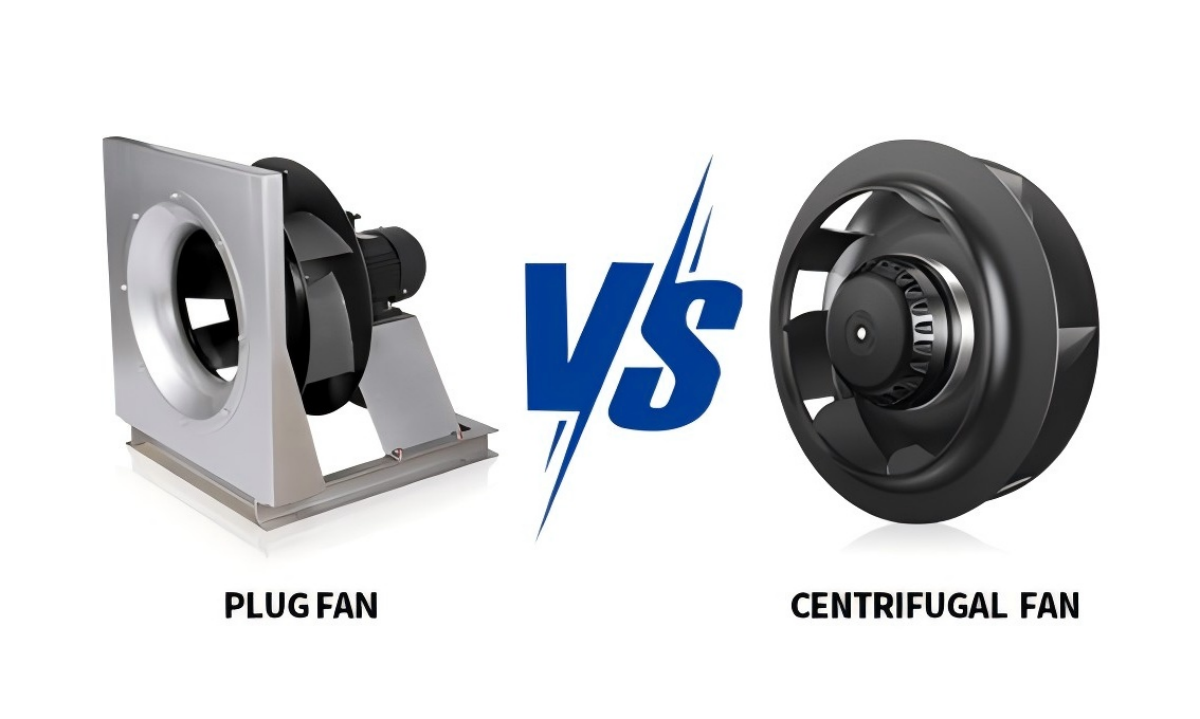
You want your HVAC system to work well, stay quiet, and need little care. Plug Fans for HVAC Systems often do better than traditional fans in these ways. EC fans can use up to 50% less power. Some save up to 70% more energy than older systems. Plug fans make less noise and are easier to take care of. They only need regular checks and simple oiling. Picking the right fan helps you save energy and keep your building running well.
Key Takeaways
Plug fans use less energy. They can use up to 50% less power than traditional fans. They are quiet when they run. This makes them good for places like offices and hospitals. Plug fans do not need much maintenance. They have fewer moving parts. This saves you time and money. Plug fans are small and easy to install. They fit well in small spaces. This gives you more options. Picking the right fan can make your HVAC system work better. It can also make the air more comfortable.
Plug Fans for HVAC Systems: Features & Benefits
What Are Plug Fans
Plug fans for HVAC systems have a special design. They look different from traditional fans. These fans have a backward curved centrifugal shape. This shape means they do not need a big casing. The fan is smaller and fits into many equipment boxes. Plug fans for HVAC systems work well in air conditioning units. They also work in air purification systems and data centers. Their small size saves space. It also makes installation easy.
Here is a table with important features of plug fans for HVAC systems:
Feature | Description |
|---|---|
High resistance to corrosion | Makes the fan last longer in many places. |
Double-layered protective metal body | Gives extra protection and helps the fan last. |
High heat and sound insulation | Keeps noise low and controls temperature. |
Stainless galvanized coating | Protects the fan from rust and damage. |
Optional speed control | Lets you change the speed for your needs. |
High efficiency due to production technology | Helps the fan work better and save energy. |
Trackable energy control button | Lets you check how much energy you use. |
Safety in transport due to its lightness | Makes it easy to move and install. |
Easy installation and minimal maintenance | Means less time fixing and lower service costs. |
Key Advantages for HVAC
Plug fans for HVAC systems have many good points. They use direct drive EC motors for high energy efficiency. This helps you save money on electricity. You do not need belts or pulleys, so there are fewer things to break. You spend less time and money fixing the fan. Plug fans for HVAC systems give steady airflow. This keeps your building safe and comfortable.
Direct drive design means no belts or pulleys.
Fewer parts means less fixing and lower costs.
Steady airflow makes the system work better.
New plug fans for HVAC systems are bigger and modular. This makes them easier to use in different places. These fans are quiet and use less energy. They are great for data centers and smart buildings.
Longwell Plug Fan Overview
The Longwell Plug Fan is a good choice for your HVAC system. It uses a reverse impeller to lower airflow resistance. This helps the fan use energy better. The EC motor in the Longwell Plug Fan is over 90% efficient. This helps you save energy. The modular design makes the fan easy to install and fix. You can remove and service the fan quickly. This keeps downtime low. The Longwell Plug Fan works in many places, like commercial buildings and cleanrooms. It is quiet, strong, and easy to install. Plug fans for HVAC systems like the Longwell Plug Fan help you get better air and save money.
Discover the Longwell Plug Fan
Explore how the Longwell Plug Fan can enhance your HVAC system's efficiency and performance.
Traditional Fans in HVAC
Types of Traditional Fans
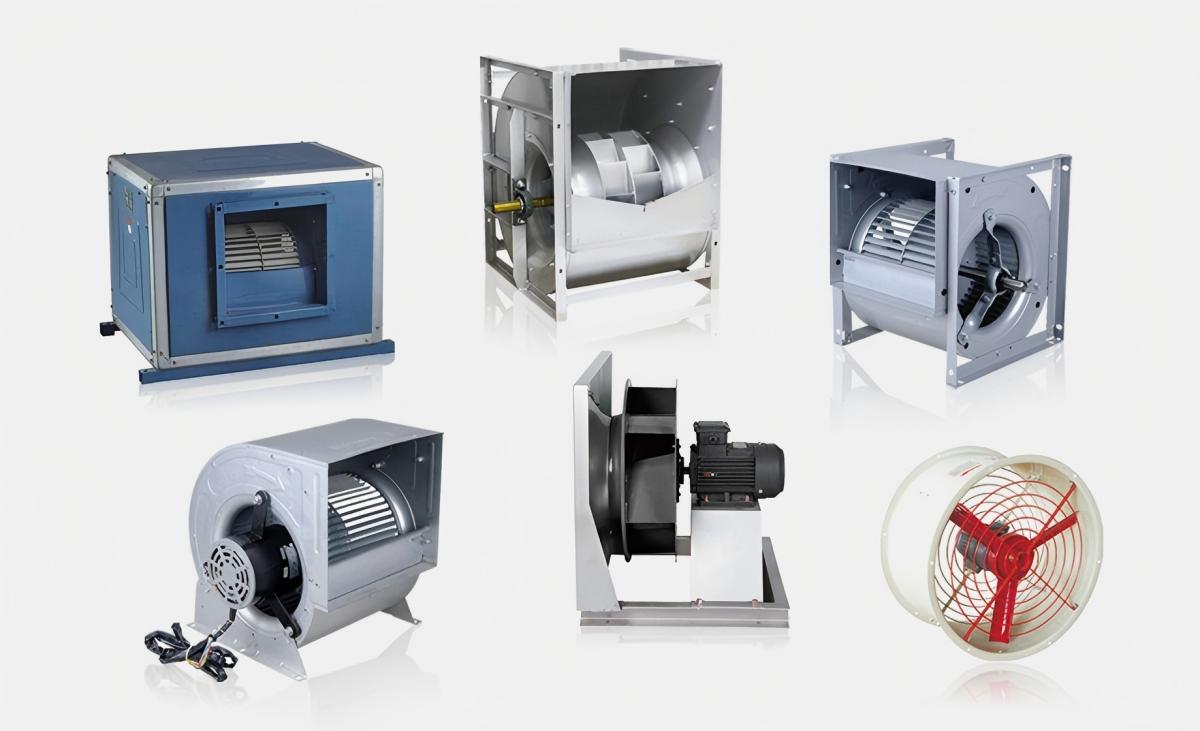
You will find several types of traditional fans in HVAC systems. Each type has a unique design and purpose. Here are the most common ones:
Axial Fans: These fans have blades that run parallel to the rotor axis. You often use them for cooling and ventilation.
Tube Axial Fans: These fans have enclosed blades. They provide steady airflow in ducts and tight spaces.
Vane Axial Fans: These fans include vanes that guide the air. They help direct airflow straight without swirling.
Centrifugal Fans: These fans have blades set at a 90-degree angle to the rotor axis. They move large volumes of air and handle higher pressures.
Forward Curved: These fans create high pressure and moderate air volume. You often see them in small air handlers.
Backward Curved: These fans use less power and make less noise. They work well when you need a lot of air moved quietly.
Airfoil: These fans have slanted blades. They deliver high-speed airflow with low noise.
You can choose a fan type based on your airflow needs, space, and noise limits.
Common Applications
Traditional fans play a big role in many HVAC tasks. You will see them in different settings, each with a specific job. Here is a table that shows where you might use these fans:
Application Type | Description |
|---|---|
Fans cool down machines and industrial areas. | |
Ventilation | They move air through buildings and rooms. |
Heat Removal | Fans help remove extra heat from equipment. |
Note: Traditional fans often appear in older HVAC systems. You may notice that their efficiency numbers look good in lab tests. In real buildings, these fans can use more energy than expected. This happens because real-world conditions change airflow and power use. The true measure, called 'wire-to-air efficiency,' shows how well the fan turns electricity into moving air. If you overlook this, you might pay more for energy and get less comfort in your building.
You should always consider how these fans will work in your actual space, not just in test results.
Performance Comparison
Energy Efficiency
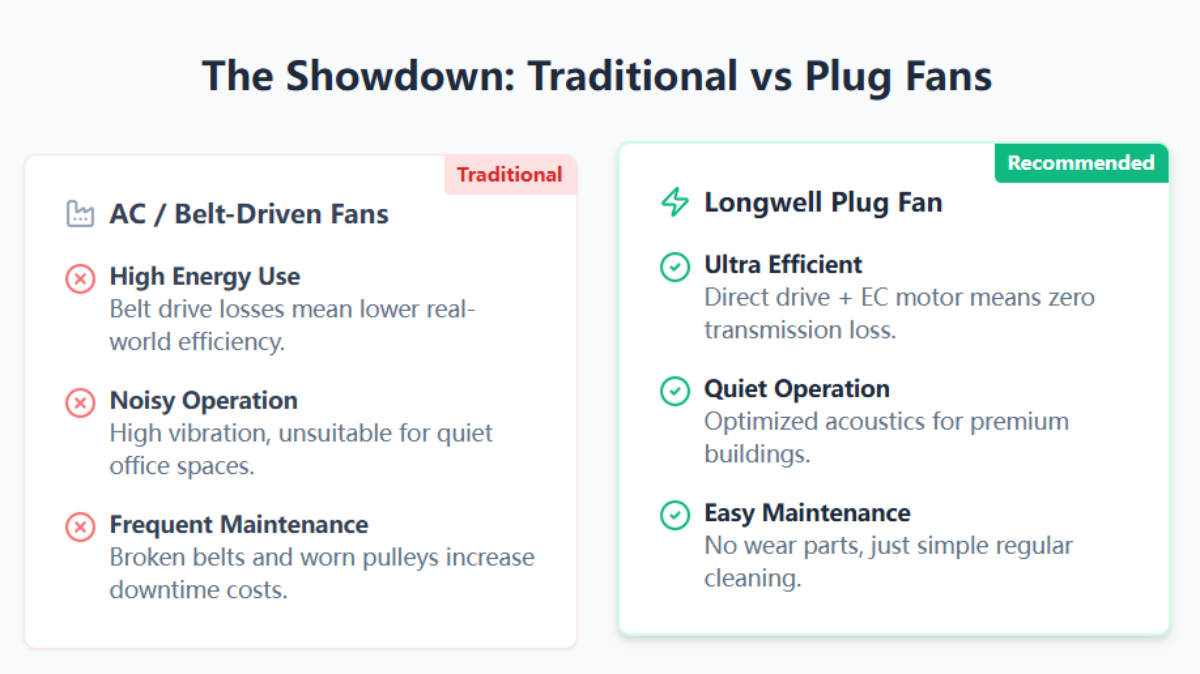
You want your HVAC system to use less power and save money. Plug fans lead the way in energy savings. These fans use advanced motors and direct drive systems. You do not need belts or pulleys, so less energy gets lost. Plug fans often use EC motors, which can reach over 90% efficiency. This means you get more air movement for every dollar spent on electricity.
Traditional fans, like axial or centrifugal types, can work well in some settings. However, they often lose efficiency in real-world use. You may see good numbers in lab tests, but in your building, these fans can use more energy than you expect. Plug fans with variable speed fan technology adjust their speed to match your needs. This helps you avoid wasting energy when full power is not needed.
Tip: Choosing a fan with high efficiency helps you lower your energy bills and reduce your carbon footprint.
Airflow & Control
Plug fans give you better control over airflow. You can adjust the speed and output to match the needs of your space. This flexibility helps you keep rooms comfortable and safe. Plug fans respond quickly to changes in demand. You can use them in smart buildings and data centers where airflow must change often.
Traditional fans offer steady airflow but may not adjust as easily. You may need extra equipment to change their speed. Plug fans make it simple to fine-tune your system. This leads to better performance and comfort.
Plug fans: Quick response, easy control, steady airflow.
Traditional fans: Good for steady needs, less flexible.
Noise Levels
Noise matters in offices, hospitals, and schools. Plug fans run much quieter than most traditional fans. Their design reduces vibration and sound. You can use them in places where silence is important. The Longwell Plug Fan, for example, uses a backward curved design that cuts down on noise.
Traditional fans can get loud, especially at high speeds. You may hear more vibration and humming. This can distract people and lower comfort. Plug fans help you keep your building peaceful.
Installation & Maintenance
Plug fans make installation easy. Their compact size fits into many spaces. You do not need to build large housings or use many parts. The modular design lets you remove and service the fan quickly. This means less downtime for your system.
When it comes to maintenance, plug fans have fewer moving parts. You spend less time fixing belts or pulleys. Here are some common maintenance issues you might see with plug fans:
Power failures
Capacitor burnout
Fan motor failures
Contactor failures
Defective relay boards
Traditional fans may need more frequent checks. You might have to replace belts or lubricate bearings often. Repairs can take longer and cost more.
Cost Over Time
You want to know how long your fan will last and how much it will cost you. Plug fans often last longer because they use high-quality materials and fewer parts. This means you save money on repairs and replacements. The energy savings from plug fans also add up over time.
Let’s look at how different fans compare in lifespan:
Fan Type | Lifespan Potential |
|---|---|
Ordinary fans | 1-3 years |
Industrial fans | 10+ years |
You can also see the range for traditional fan types:
Fan Type | Lifespan Potential |
|---|---|
Axial fan | 5–10 years |
Centrifugal fan | 8–15 years |
HVLS fan | 10–20 years |
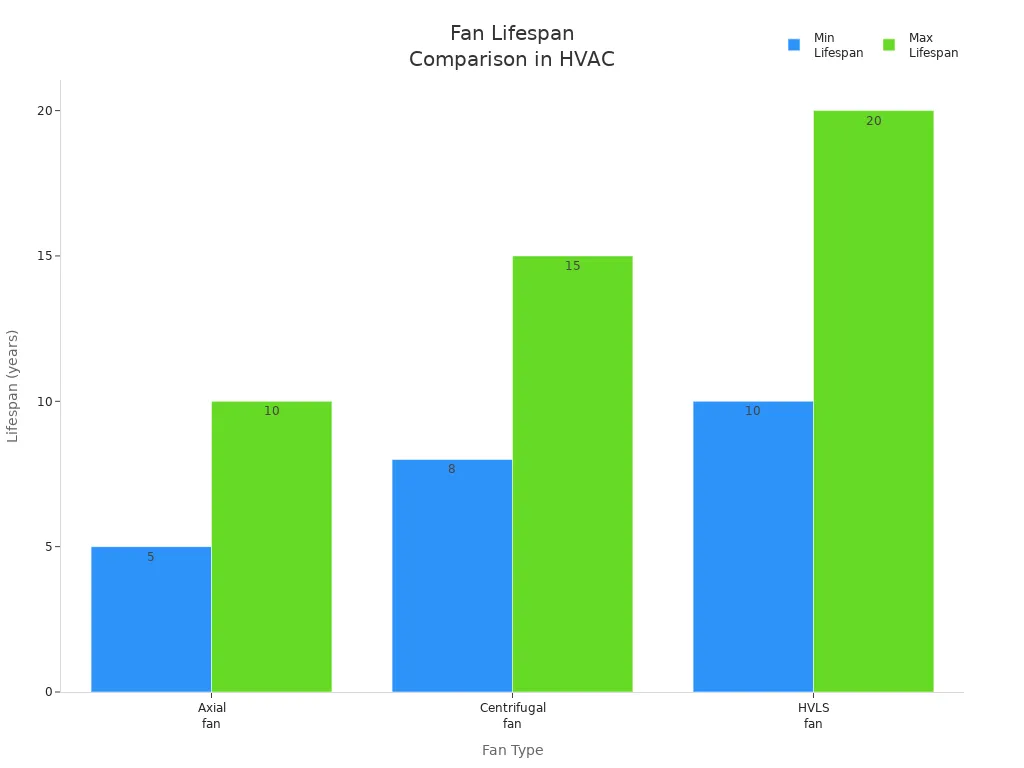
Ordinary fans work best in mild places but do not last long. They are hard to repair.
Industrial fans run for many years. They use strong materials and can handle tough jobs.
Plug fans give you strong performance, high efficiency, and real energy savings. You spend less on repairs and power. Over time, you get better value and fewer headaches.
Case Studies & Feedback
Commercial Building Example
Plug fans help many commercial buildings. One office tower changed old fans to Longwell Plug Fans. The manager saw lower energy bills. The fans were quiet and made workspaces nicer. Workers could focus better with less noise. The maintenance team liked the modular design. They could clean fans without stopping everything. In dusty places, they cleaned fans more to keep them quiet and working well.
Data Center Application
Data centers need strong cooling. Servers must stay cool and not waste energy. A big data center put in Longwell Plug Fans instead of old fans. The new fans used less power and kept temperatures steady. IT staff saw fans react fast to heat changes. This helped keep servers safe from getting too hot. The fans fit well in small server rooms. The team could fix fans quickly, so downtime was short.
Customer Reviews
You can learn from what users say. Here are some things customers mention:
Many people like the quiet fans and energy savings.
A factory manager said fans kept machines cool and quiet, saving money.
Some users clean fans often to keep them quiet, especially in dusty places.
In small rooms, a few people noticed fans got louder.
Ventilation workers said fans worked well but needed cleaning often.
Switching from old fans to plug fans can be hard. Here is a table with common problems and solutions:
Challenge | Solution |
|---|---|
Compatibility with control systems | Check early and ask experts for help. |
Noise from improper installation | Use good steps and add noise control. |
Lack of training for new technology | Hire skilled workers and train them well. |
Plug fans like the Longwell Plug Fan give real benefits in many places. You need to plan cleaning and setup for best results.
Choosing the Right Fan
When to Use Plug Fans
Pick plug fans if you want to save energy and keep things quiet. Plug fans work best when you need steady air and easy control. You can use them in new offices, hospitals, or data centers. These fans are small, so they fit in tight spots. You can put them in fast and fix them without much trouble. Plug fans often have smart controls. You can change the speed and airflow easily. They help you spend less on energy bills because of their advanced motors. You also do not need to fix them often since they have fewer parts.
Tip: Plug fans are a good pick for new HVAC systems or upgrades where you want less noise and lower energy use.
When to Use Traditional Fans
Choose traditional fans if you just need simple air movement or have a small budget. Traditional fans work well in big warehouses, factories, or old buildings. These fans are good for basic cooling and moving air. There are many types, like axial and centrifugal fans, for different jobs. Traditional fans usually cost less at first and can last a long time in easy places. Pick them if your system does not need smart controls or high efficiency.
Scenario | Recommended Fan Type |
|---|---|
Quiet office space | Plug Fan |
Large warehouse | Traditional Fan |
Data center | Plug Fan |
Basic ventilation | Traditional Fan |
Smart building | Plug Fan |
Key Factors to Consider
Think about these things when you pick a fan:
Performance: Make sure the fan gives enough air and pressure.
Energy use: Choose fans that use less power.
Size and fit: Check if the fan fits your space and system.
Material: Pick fans that do not rust for tough places.
Controls: Look for fans with speed or smart controls.
Maintenance: Choose fans that are easy to fix.
Safety: Make sure the fan meets safety rules.
You can choose better if you match your needs to these points. Plug fans and traditional fans both have good sides. Your choice depends on what you need, your money, and your future plans.
Plug fans usually work better than traditional fans. They save more energy, make less noise, and need less fixing. The table below shows how new fans help with efficiency and air quality:
Finding | Description |
|---|---|
Efficiency | HVLS fans cool big rooms better than old fans. |
Energy Consumption | HVLS fans can lower HVAC power use by up to 25%. |
Air Quality | HVLS fans help cut down dust and noise, so rooms feel nicer. |
Cooling Effect | One HVLS fan can cool like ten small fans, which saves money. |
To pick the best fan for your HVAC system, do these things: First, figure out how much air and pressure you need. Next, look at how the fan works on its curve chart. Then, choose the right fan type for your job. After that, make sure you install it the best way. Last, plan to check and care for your fan often.
It is smart to talk to HVAC experts and read what other people say before you buy. For new systems, the Longwell Plug Fan is a strong and smart choice.
FAQ
What is the main difference between dc fans and ac fans in HVAC systems?
You will find that dc fans use direct current and ac fans use alternating current. Dc fans often give you better energy savings and more control. Ac fans work well in many cooling units but may not offer the same efficiency as dc fans.
How do plug fans help with cooling in data centers?
Plug fans move air quickly and keep equipment at safe temperatures. You can use them in cooling units to protect servers. Dc fans and ac fans both help with cooling, but dc fans often respond faster to changes in heat.
Are plug fans acoustically quieter than traditional fans?
Yes, plug fans are often acoustically quieter. You will notice less noise in your workspace. Dc fans and ac fans in plug fan designs help reduce sound, making them a good choice for offices and schools.
Can I use plug fans in all types of cooling units?
You can use plug fans in many cooling units, including air handlers and air purification systems. Dc fans and ac fans both work in these units. Plug fans fit well in tight spaces and help improve your cooling system.
How often should I maintain dc fans and ac fans in my cooling system?
You should check dc fans and ac fans in your cooling system every few months. Clean dust from the blades and check for wear. Regular care helps your cooling units last longer and keeps your cooling strong.
See Also
Maximizing Energy Efficiency With Axial Fans In HVAC
Enhancing HVAC Innovation Through Plastic Cross Flow Fan Impellers
Understanding Energy Efficiency Of Cross Flow Fans In Ventilation
