How Single Inlet Centrifugal Blower Fans Solve Everyday Ventilation Problems


You want your home to feel fresh and nice. Bad ventilation can hurt your health. It can also make energy bills higher. It can make you feel less comfortable every day. A single inlet centrifugal blower fan can help fix these problems. It gives smart ways to move air in your home. New technology helps keep your air clean. It also helps lower your energy bills.
See how ventilation changes your space:
Aspect | Impact |
|---|---|
Indoor Air Quality | Bad air can make you sick and make it hard to work. |
Comfort | Cold air or stuffy rooms make your home less comfy. |
Energy Efficiency | Good ventilation keeps you comfy and saves energy. |
Think about your own home. How could better ventilation make your life better?
Key Takeaways
Single inlet centrifugal blower fans help clean the air inside. They take out old air, dust, and things that cause allergies. This makes your home a healthier place.
These fans use less energy because of new features. One feature is variable speed control. This helps you save money on energy bills. You can still feel comfortable at home.
It is important to install and take care of your fan the right way. Clean your fan often and look for things blocking it. This helps your fan work its best.
Use these fans in places with lots of moisture, like kitchens and bathrooms. They help keep the air dry and stop mold and bad smells.
Pick the right fan for your room size and how much air you need. This makes sure your home gets good airflow. Your home will stay fresh and comfy.
Common Ventilation Issues And Their Impact

Causes Of Poor Ventilation
Sometimes your house feels stuffy or the air smells old. This can happen because of how your home is built or how the system works. Here is a table that shows some main causes:
Cause of Poor Ventilation | Explanation |
|---|---|
Lack of System Maintenance | Not taking care of the system lets dirt build up. This makes it work worse and the air gets dirty. |
Improper Installation | If the system is not put in right, air leaks out. This means less fresh air and the system wastes energy. |
Clogged Filters | When filters get blocked, air cannot move well. This makes the air inside worse and the system weaker. |
Age of the Ventilation System | Old systems have parts that do not work well. This blocks vents and makes the system slow down. |
Faulty Thermostats | Broken thermostats change the temperature too much. This makes you less comfy and can hurt your house. |
Other things can cause problems too:
Bad air flow makes the air sit still.
Poorly planned systems block vents.
The shape and size of your house changes how air moves.
Bad building design can trap wetness and stop air from moving.
Effects On Indoor Air Quality
When your ventilation is bad, the air inside gets worse. Dust and other things build up in the air. More water in the air can make it even worse. Studies show homes with bad ventilation have more dirty air than homes with good systems. For example, if you let in more air, you can cut carbon dioxide in half and lower tiny dust by 60%. Kids miss school less when the air is better.
Bad ventilation can cause more breathing problems, especially for kids. You might see more coughing, sneezing, or asthma attacks.
Why Proper Ventilation Matters
Good ventilation keeps your home comfy and your family healthy. Kids breathe more air for their size, so they need clean air even more. Good systems mix the air and make it safer. They also help you save energy. When your system works well, you do not need as much heat or air conditioning. This saves money and helps the planet.
Tip: Better ventilation can help you work and feel better. Clean air means you get sick less and do more.
What Is A Single Inlet Centrifugal Blower Fan?
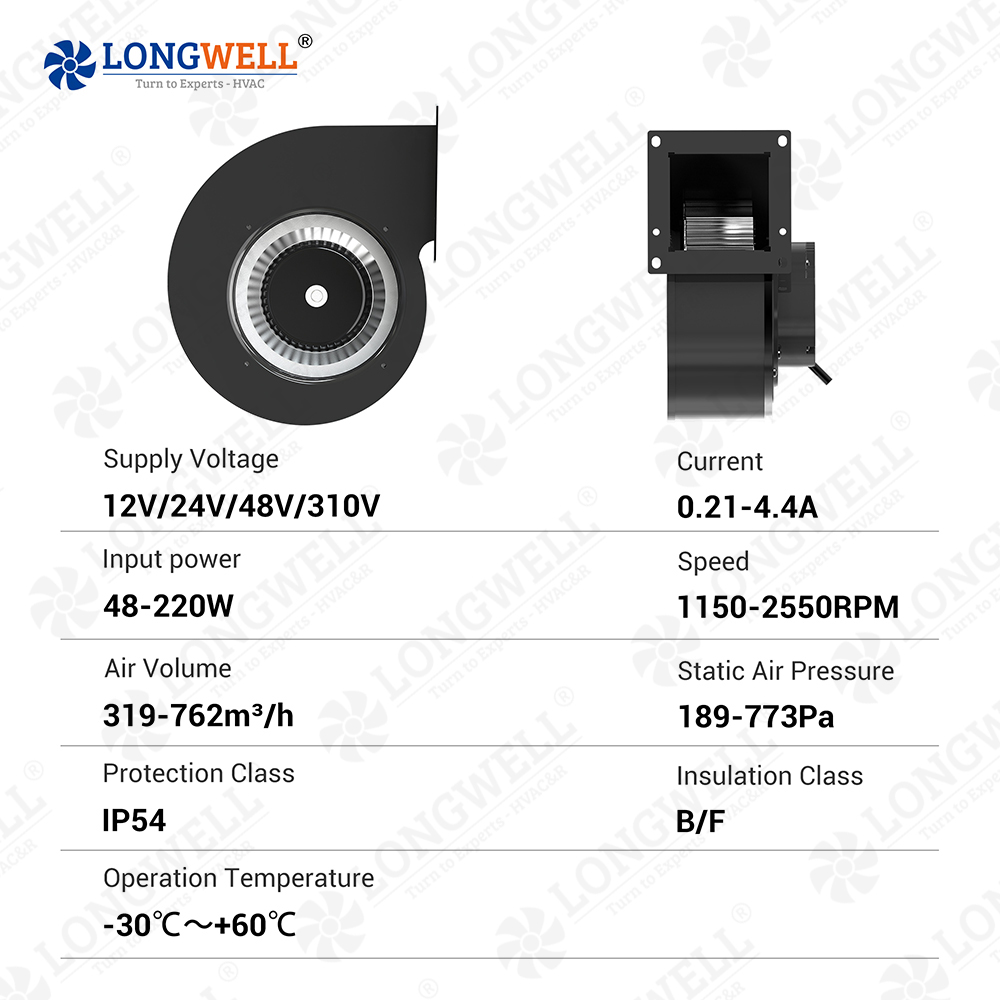
A single inlet centrifugal blower fan is a special fan. It helps move air in your home or building. You can use it to fix many air problems. This fan pulls air in from one side. Then it pushes the air out with strong force. It works well when you need high pressure. It can move air through ducts or filters.
How It Works
You might wonder how this fan moves air so well. Here is a simple way to see how it works:
Air Entry: Air goes into the fan through one opening. This opening is usually at a right angle to the spinning part.
Impeller Rotation: The impeller looks like a wheel with blades. It spins fast because of an electric motor.
Centrifugal Force Generation: The spinning blades push the air outward. The air moves away from the center.
Air Acceleration: The air gets faster as it moves out. It gains more energy.
Diffuser Function: The air goes through a diffuser. This slows the air down and builds up pressure.
Air Discharge: The high-pressure air leaves the fan. It moves into the ducts or the room where you need it.
Each part of the fan has a job to do. The impeller pulls in air and pushes it out. The housing covers the parts and guides the air. The motor makes the impeller spin. Other parts, like bearings and couplings, help the fan run well and last longer.
Component | Function |
|---|---|
Impeller | Pulls in air and pushes it out, making the fan work efficiently. |
Housing | Covers the fan and directs the airflow where it needs to go. |
Motor | Powers the impeller, controlling how much air the fan can move. |
Supportive Parts | Includes bearings and couplings that keep the fan stable and reliable. |
Key Benefits For Ventilation Issues
You can use this fan to fix many air problems. It works well even if the ductwork is tricky or space is tight. Here are some problems it can help with:
Elbows or bends too close to the fan inlet
Inlet spin caused by duct shape
Dampers that are not open all the way
Inlet or outlet too close to walls
Badly designed guards or weather hoods
This fan makes high static pressure. It can push air through filters, long ducts, or tight spaces. It also helps remove bad air, smoke, and smells. This makes your indoor air cleaner. You will notice less humidity, so there is less mold and mildew. Your family will breathe easier. The fan helps lower allergens and bacteria in the air.
Let’s look at how single inlet and dual inlet fans compare:
Feature | Double-Inlet | |
|---|---|---|
Airflow Volume | Lower volume of air | Nearly double the volume of air |
Static Pressure | High static pressure | Less effective at building high static pressure |
Design | Volute housing critical for pressure | Supported-on-both-sides configuration |
Applications | High-pressure applications | High-volume applications |
A single inlet centrifugal blower fan is best for strong pressure. It can move air through tough spots. It can handle airflow rates from 100 to 4,000 CFM. It can also handle pressures up to 4.0 PSI. You can use it for heating, cooling, or cleaning the air in your home.
Tip: If you want better air and less humidity, this fan is a smart pick.
Energy Efficiency And Modern Features
Modern single inlet centrifugal blower fans have smart features. These features save energy and make life easier. Many fans now use EC motors. These motors use less power than old motors. You can change the speed to match what you need. This way, you do not waste energy.
Here are some features you might find:
Variable Speed Control: You can change the fan speed easily. This helps you get just the right airflow.
Constant Flow Mode: The fan keeps the airflow steady. It works even if filters get dirty or ducts change.
Integrated Electronics: The fan has built-in controls. You can set it up for your home without extra parts.
Low Noise: EC motors are quiet. You get comfort without loud sounds.
These features help you save money on energy bills. The fan only uses the power it needs. You also get better air and comfort.
Longwell is a leader in ventilation technology. They offer single inlet centrifugal blower fans with these features. Their goal is to make good, easy-to-use solutions for homes and businesses. With the slogan "Innovating Air, Improving Life," Longwell wants your indoor air to be healthier and more comfortable.
Note: If you pick a fan with modern features, you get better performance and lower costs over time.
Improve Home Ventilation With Centrifugal Blower Fans
Enhancing Air Circulation
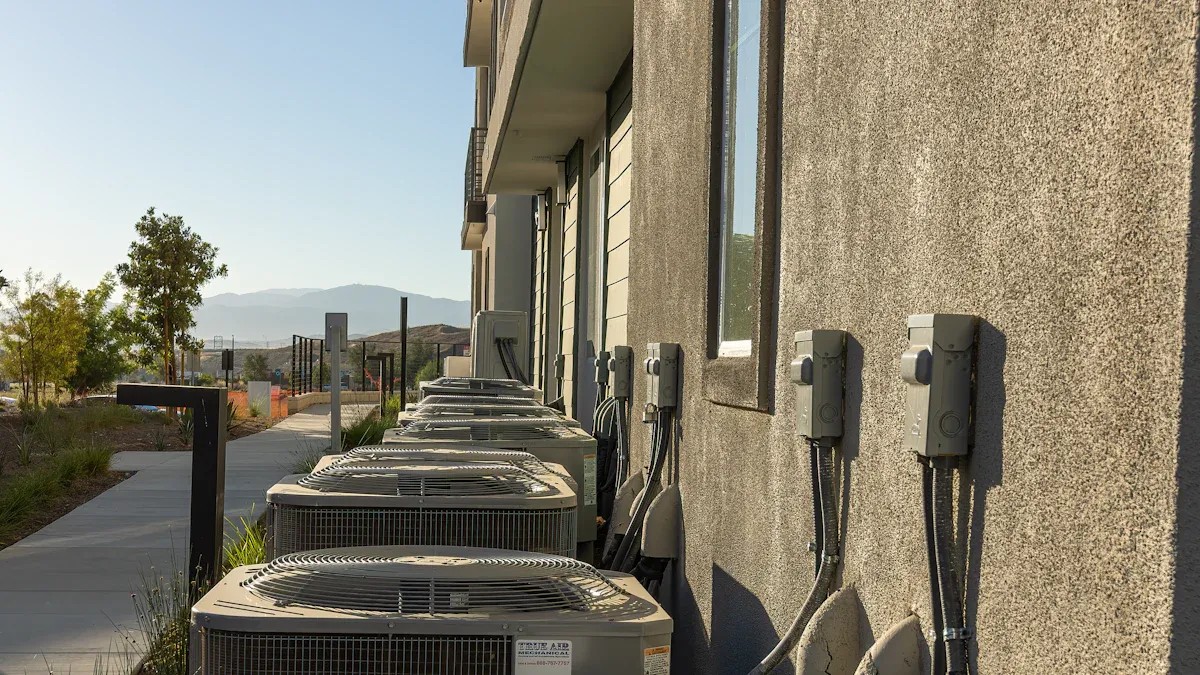
You want fresh air in every room. Centrifugal blower fans help you move air where you need it. These fans create high static pressure, which means they push air through ducts and vents with ease. You get strong airflow even in spaces with long or winding ductwork. This helps you achieve proper ventilation and good home ventilation.
Let’s compare centrifugal blower fans to other types:
Fan Type | Characteristics | Ideal Applications |
|---|---|---|
Centrifugal Blower | High static pressure, suitable for ducted systems | HVAC duct systems, dust and fume extraction, cleanrooms |
Axial Fan | Moves large volumes of air with low pressure | Server room cooling, condenser units, agricultural ventilation |
Centrifugal blower fans work best when you need air exchange in rooms with closed doors or tight spaces. You can use them in your HVAC system to keep air moving. This prevents air from sitting still and keeps your home comfortable. You get better air quality and less chance of stale air.
Tip: Place your fan near the main return duct. This helps you move air throughout your house and supports proper ventilation.
Reducing Humidity And Odors
Indoor humidity can cause mold and mildew. Bad smells can make your home less pleasant. Centrifugal blower fans help you control both problems. You can use these fans in bathrooms, kitchens, and laundry rooms. They pull out damp air and bring in fresh air. This keeps humidity low and stops odors from spreading.
Here are ways these fans help you:
Proper ventilation is crucial for keeping your home healthy, especially in small spaces.
Extractor fans remove smoke, dampness, and pollutants. This lowers indoor humidity and stops mold and odors.
Fans in bathrooms and kitchens push out wet air and bring in dry air. This keeps your home fresh.
You can use a duct fan with a carbon filter to remove pet and cooking odors. An air scrubber in your HVAC system cleans the air every time the fan runs. High-pressure duct fans work with filters to keep air exchange strong and remove smells.
Note: If you want to improve home ventilation, install a fan in rooms with high indoor humidity. This helps you keep your home dry and odor-free.
Supporting Better Indoor Air Quality
You need clean air for your health. Centrifugal blower fans help you get better indoor air quality. These fans pull out dust, allergens, and harmful particles. They keep air moving and stop it from getting stale. You get a constant flow of fresh air, which supports good home ventilation.
Here is how these fans help you:
Centrifugal fans move air quickly in and out of vents.
They prevent air from sitting still, which can make air quality worse.
Air exchange keeps your rooms fresh and clean.
Contribution to Air Quality | |
|---|---|
Efficient Air Circulation | Prevents stagnant air and promotes fresh air flow |
Pollutant Removal | Extracts dust, allergens, and harmful particles |
Ventilation Support | Ensures consistent airflow in HVAC systems |
Longwell designs fans that help you achieve proper ventilation and improve home ventilation. Their mission is to make indoor spaces healthier and more comfortable. The brand slogan, "Innovating Air, Improving Life," shows their commitment to better air quality and energy savings.
Tip: Clean your fan and filters often. This keeps air exchange strong and helps you maintain good home ventilation.
Choosing, Installing, And Maintaining Your Fan

Selecting The Right Fan For Proper Ventilation
You want your home to have good air. First, think about how big your rooms are. You also need to know how much air you want to move. The airflow rate is called CFM. This number helps you pick the right fan. Bigger rooms need fans with higher CFM. This helps keep the air fresh. You should also think about how strong the fan needs to be. If you have long ducts or filters, you need a stronger fan.
Here are some things to help you choose:
Criteria | Fan Type |
|---|---|
High volume, low pressure: Forward-curved; Moderate to high pressure: Backward-curved or aerofoil; High resistance: Radial | |
Space Availability | Limited space: Forward-curved; Large-scale systems: Radial and backward-curved |
Noise Constraints | Backward-curved or aerofoil for low noise; Enclosures for radial or forward-curved in sensitive areas |
Air Cleanliness | Radial for dirty air; Aerofoil or forward-curved for clean air |
You should also think about where you will put the fan. Check the room temperature and make sure it is safe. Longwell has fans with smart controls. You can change the speed to fit your needs. These features help you save energy. Longwell wants to make homes healthier. Their slogan is "Innovating Air, Improving Life." This shows they care about good air in your home.
Installation Tips For Best Results
Putting in your fan the right way is important. Here are some steps to help you:
Put the fan on something strong so it does not shake.
Make sure your ducts are the right size for good airflow.
Check the wires and follow safety rules.
Try not to make these mistakes:
Explanation | |
|---|---|
Placing the fan too close to walls | Blocks airflow and lowers efficiency. Keep enough distance based on fan size. |
Not centering the fan | Uneven air distribution in your space. |
Ignoring electrical connections | Use a dedicated circuit for safety and future upgrades. |
Failing to check for obstructions | Objects can block the fan’s path and reduce airflow. |
Tip: Keep your fan away from walls and clear the area. This helps the air move better in your home.
Maintenance For Long-Term Performance
Taking care of your fan helps it last longer. Here is what you should do:
Clean the blades and cover often so dirt does not build up.
Oil the bearings when the maker says to.
Look at belts and couplings to see if they are worn out.
Check all screws and bolts and tighten them if needed.
Watch for rust or cracks in the metal parts.
Make sure the fan does not shake too much.
Write down when you do maintenance and check the fan often.
If you take care of your fan, it works better and lasts longer. You use less power and your home stays safe. Longwell makes fans that are easy to care for. This means you get good air with less work.
Note: If you keep your fan in good shape, you get cleaner air, lower bills, and a healthier home.
Single inlet centrifugal blower fans can fix common ventilation problems. They help make the air inside your home cleaner. You will feel more comfortable and pay less for energy. These fans work better and are quieter, as you can see here:
Fan Type | Straightener Type | |
|---|---|---|
Radial | Long circular tube | Good efficiency improvement |
Backward | Long zigzag | Increased flow margin up to 12% |
Backward | Short zigzag | Reduced noise level by 3 to 5 dB |
You get other good things too:
Benefit Type | Description |
|---|---|
Improved Air Quality | Strong airflow helps move air and keeps it fresh. |
New designs use less energy and save you money. | |
Enhanced HVAC Performance | The air stays the right temperature and feels safer and nicer. |
Think about what you need for your home. Pick a fan that works well for your space. Start now and help your home become a healthier place.
FAQ

How does a single inlet centrifugal blower fan help with home ventilation?
You get strong airflow that moves air through ducts and rooms. This fan helps remove stale air, humidity, and odors. You enjoy fresher air and a healthier home.
Can I install a centrifugal blower fan myself?
You can install some models if you follow the instructions. Make sure you check the wiring and mount the fan securely. For best results, ask a professional for help.
How often should I clean or maintain my blower fan?
You should clean the blades and check the filters every few months. Regular maintenance keeps your fan working well and helps you save energy.
What makes Longwell blower fans different?
Longwell uses advanced EC motor technology and smart controls. You get quiet operation, energy savings, and easy integration. Their mission is to improve indoor air quality. Their slogan is "Innovating Air, Improving Life."
Are these fans energy efficient?
You save energy with EC motors and variable speed control. The fan only uses the power you need. This helps lower your bills and supports a greener home.
See Also
The Importance of Centrifugal Fans in HVAC and Industry
LONGWELL: A Trusted Name in Centrifugal Fan Manufacturing
Cross Flow Fans: Effective Solutions for Compact Cooling Needs
Longwell Centrifugal Fans: Mastering Energy Efficiency Techniques
